
Weak Global Demand and Tariff Volatility Weigh on Thai Rubber Exports

Thailand’s natural rubber sector continues to navigate a challenging landscape defined by unpredictable demand, shifting trade policies, and severe weather disruptions. Despite these headwinds, Thai rubber exports recorded a slight month-on-month improvement in September, underscoring the industry’s resilience even as global markets remain unsettled.
Marginal Export Growth Amid Tight Supply
In September, Thailand exported 204,095 metric tons of rubber, edging up from 202,902 tons in August. Export value also improved, rising from US$353 million to US$366 million. The modest gains were primarily supported by tight supply conditions caused by persistent heavy rainfall across key producing regions. This supply pressure helped stabilize prices, preventing deeper declines.
However, the market remains far from its February peak, when Thailand exported 290,092 tons valued at US$594 million—a period driven by optimal production conditions and accelerated buying by downstream manufacturers seeking to hedge against U.S. tariff risks. From February through June, exports and earnings dropped sharply before showing tentative signs of recovery in July–September.
Tariffs and Holidays Influence Key Markets
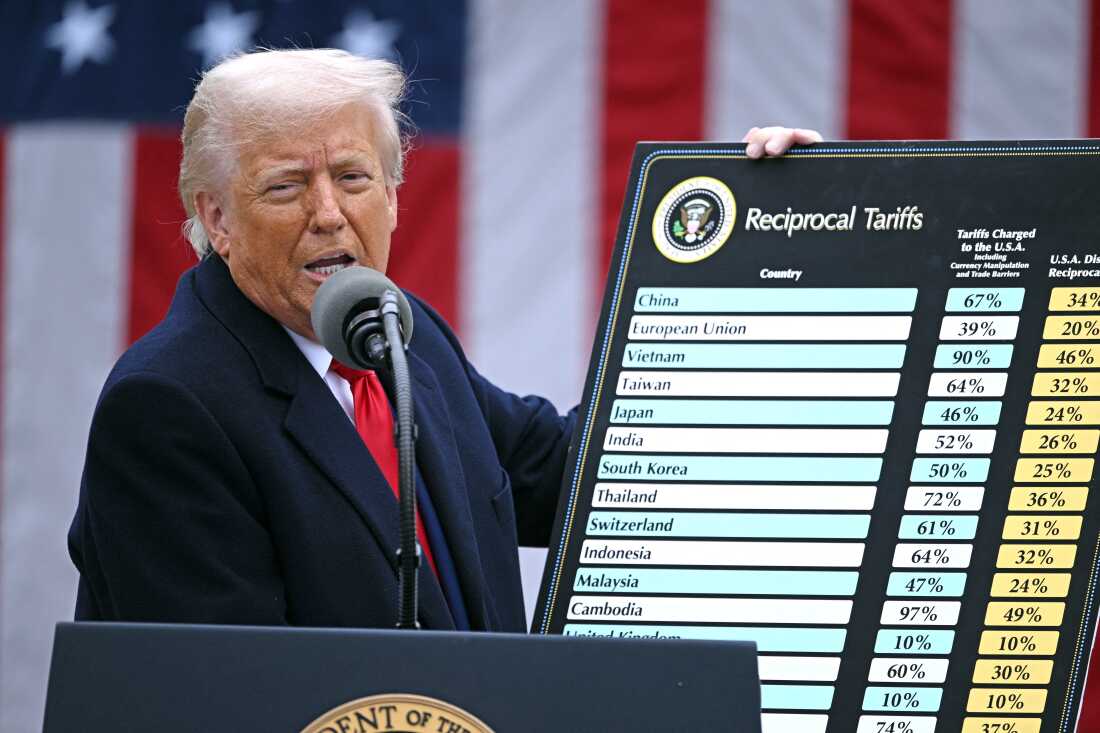
Since the introduction of wide-ranging U.S. tariffs earlier this year, the global rubber market has lacked clear upward momentum. Buyers have adopted a conservative purchasing strategy, largely limiting orders to immediate requirements. This has prevented prices from climbing even during periods of tight supply, an unusual scenario during Thailand’s production season.
China, Thailand’s largest export destination, saw a noticeable decline in imports in September. Volumes dropped from 74,065 tons in August to 63,464 tons, with value falling accordingly from US$126 million to US$112 million. Several factors dampened demand: muted market sentiment due to U.S.–China trade tensions, lukewarm economic indicators in both countries, and reduced activity ahead of China’s Golden Week holiday in early October.
Severe weather further complicated matters. Continuous rainfall throughout September disrupted tapping and logistics, while Typhoon Ragasa brought significant flooding that strained supply chains across major rubber-producing areas.
EUDR Uncertainty Adds to Market Caution
A major storyline influencing European demand is the continued ambiguity surrounding the implementation of the EU Deforestation Regulation (EUDR). In late September, European Commissioner Jessica Roswall proposed delaying full implementation to the end of next year, citing concerns over the readiness of supporting IT systems.
However, subsequent announcements in October created renewed confusion, indicating that the regulation may apply to large and medium enterprises by the end of this year—with a six-month grace period—and to micro and small enterprises by the end of next year. Final adoption by the European Parliament and Council is still pending.
Thailand has made strong progress in EUDR preparedness. The Rubber Authority of Thailand (RAOT) is leading compliance efforts, while major producers such as Northeast Rubber and Sri Trang are already supplying ESG-certified, EUDR-aligned rubber at a premium. Yet, uncertainty around timelines has slowed purchases of EUDR-compliant cargoes.
Export Trends Vary Across Major Markets
Export performance varied significantly across Thailand’s top importing nations:
- United States: Imports surged dramatically from 7,634 tons in August to 20,646 tons in September, corresponding with stronger downstream manufacturing activity. Export value jumped from US$15 million to US$42 million, and Thailand’s shipments remained unaffected by U.S. tariffs.
- Japan: Imports fell from 25,131 tons to 22,213 tons, with value declining from US$55 million to US$48 million. Japan’s auto exports to the U.S. dropped 24.2% following tariff hikes, weakening tire production and rubber demand.
- South Korea: Imports increased from 4,266 tons to 5,312 tons, despite domestic carmakers facing strong competition from foreign EV brands.
- Germany: Demand recovered in September, rising from 4,405 tons to 4,652 tons, reflecting improvements in Germany’s automobile export sector.
- Brazil: Imports contracted from 4,059 tons to 3,368 tons, pressured by U.S. tariffs on Brazilian vehicles that indirectly softened rubber demand.
Price Movements Reflect Weather and Demand Dynamics
Thai rubber prices displayed significant volatility in September and October. STR20 prices began the month around US$1,825–1,835/mt, rose briefly, and then fell sharply to US$1,810–1,830/mt by mid-September. Prices dipped further to US$1,760–1,770/mt in early October before rebounding to US$1,835–1,840/mt by late October. Another downward correction followed in early November.
The contrasting trends were driven by:
- September: Weaker Chinese demand ahead of holidays
- October: Exceptionally tight supply from prolonged rainfall
Outlook: Cautious Optimism Amid Ongoing Volatility
The global natural rubber industry is currently grappling with overlapping uncertainties—tariff unpredictability, regulatory ambiguity, and weather-driven supply disruptions. For Thai producers, these forces have translated into price swings and uneven export performance.
Still, Thailand’s steady progress on sustainability and regulatory compliance, combined with moderate demand and constrained supply, suggests that the market may navigate the final quarter of the year with cautious but growing optimism.